The paella, and how we make it in thirty minutes
Paella comes from the rice fields around Valencia, cooks over orange wood, and takes an afternoon. This is how L Campo keeps the tradition and gets it to your table in half an hour.
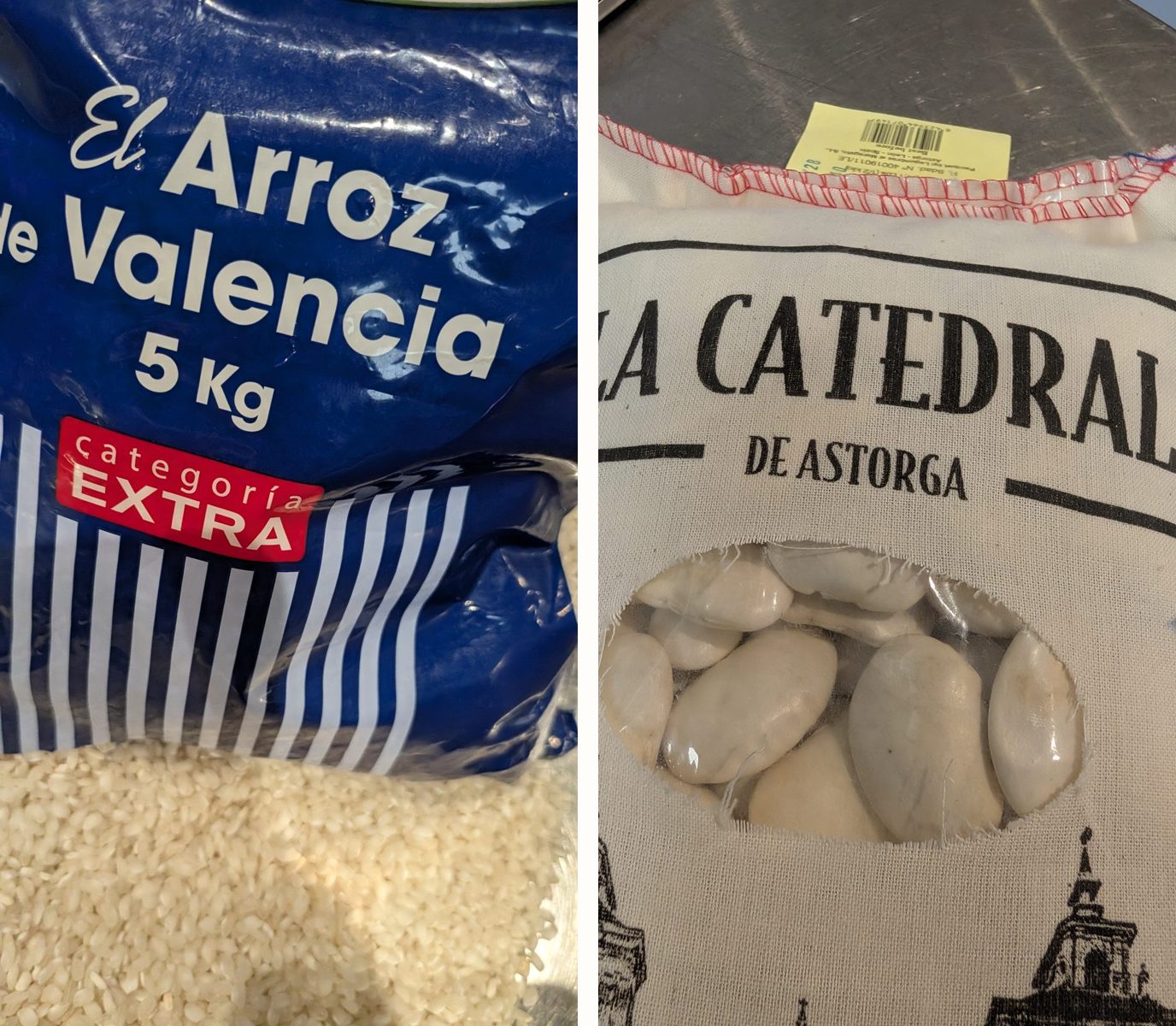
Paella comes from Valencia. Not from Spain in general, and not from the coast, but from the rice fields around the Albufera lagoon south of the city, where rice has grown since the Moors dug the irrigation channels a thousand years ago. The dish came out of those fields: rice, whatever the land gave, and a wide shallow pan over a fire. The original is cooked with rabbit, sometimes chicken, flat green beans and a big white bean, tomato, olive oil, saffron, and water. It is cooked outdoors over a wood fire, orange wood by preference, because Valencia is orange country and the wood burns hot and clean. And done properly, from lighting the fire to the pan on the table, it takes the better part of an afternoon.
The problem
A restaurant does not have an afternoon. Nobody walks in expecting a paella in thirty minutes; most people do not know what goes into one. What people expect is not to wait forever for a dish. So I set the number myself, at thirty minutes, and the question I had to answer before L Campo opened was this: what in a paella actually needs the time, and what does not?
Take it apart and there are four things in the pan. Vegetables. Meat. Liquid. Rice. The rice has a fixed time to take up its liquid and there is no way around it; rush the rice and you have a bad paella. Everything else can be moved. Not skipped, moved: done earlier, done better, so that when the pan goes on the fire the only thing left to do is the one thing that cannot be hurried.
What we do at L Campo
We roast our vegetables ahead. Five basic vegetables, seasoned and roasted into a blend that is ours, which does two things at once: it gives us a shortcut at the pan, and it gives the vegetables a depth they never get from twenty minutes in a hot pan. The shortcut makes the flavour better, not worse.
We use stock, not water. Concentrated stocks made in our kitchen from fresh vegetables and spices, saffron among them, so that the moment the rice goes in it is drinking flavour, not waiting for flavour to develop around it.
We clean the rabbit, marinate it, and grill it. The grill gives the meat something a pan cannot, and it brings the rabbit most of the way to tenderness before the paella starts.
That is the work. It happens in the morning, and it is why the pan can be fast.
The pan
A hot pan, olive oil. The vegetable blend goes in and starts moving.
When it is hot, the rabbit. Deglaze the pan.
Then the stock, up to a boil, and the rice: not just any rice, rice grown in Valencia, because the grain is the dish.
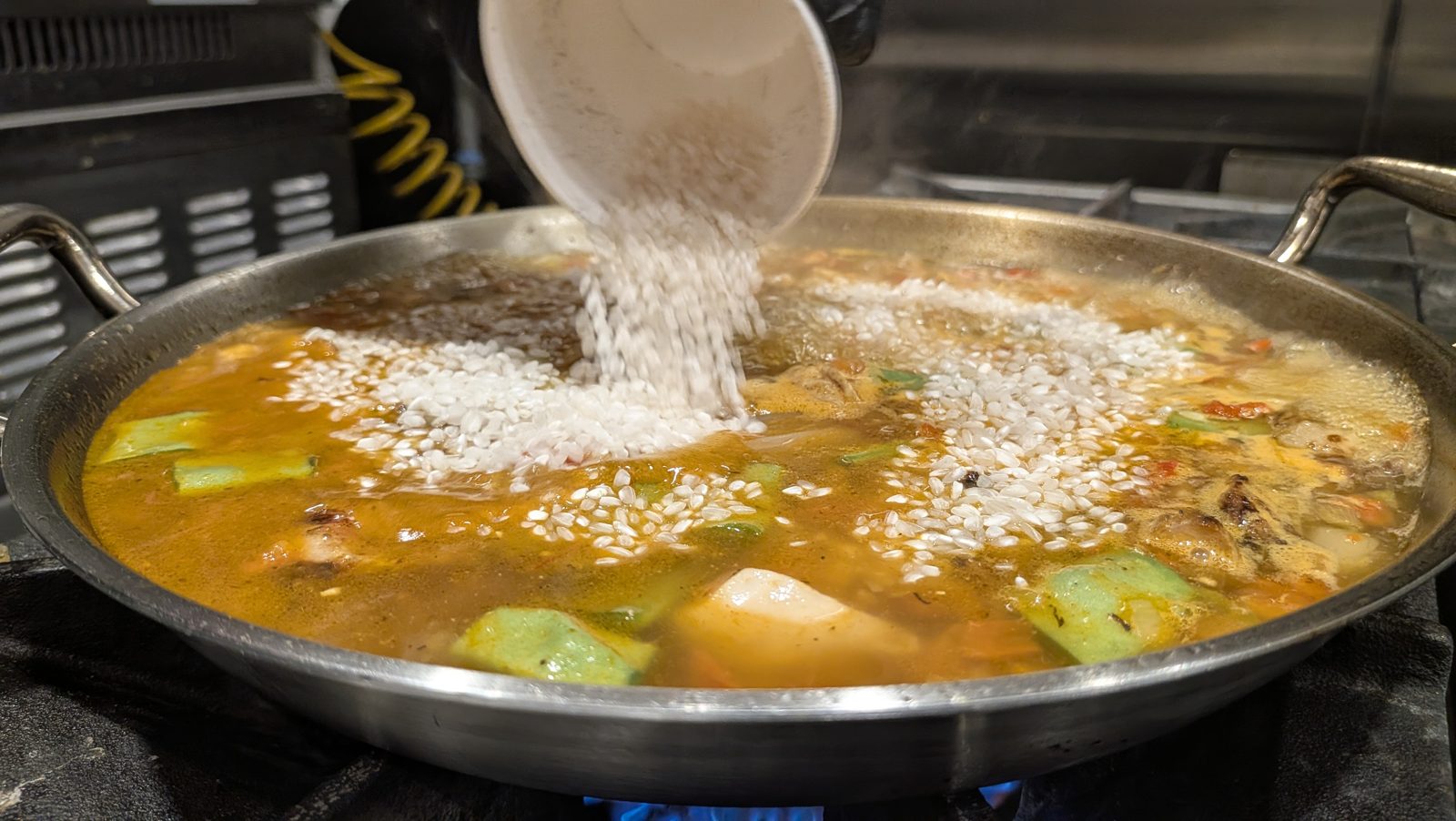
From there the rice takes the broth under high heat, and everything that was done in the morning goes into it.
When I am satisfied, and there is a point where I am, the pan is finished by hand. Two sauces I love, mojo picón and mojo verde, olive oil, pepper, and fresh parsley, which keeps a paella that has just come off the fire looking as alive as it tastes.
The mojos are not Valencian. They are from the Canary Islands, a long way from the Albufera, and a purist will tell you so. I know. But I cannot ignore thirty-four years in kitchens, and I cannot ignore the things I truly love. Certain flavours strike me, and when they do, they land on your plate, traditional or not. I simply do not care. I like it, and so will you.
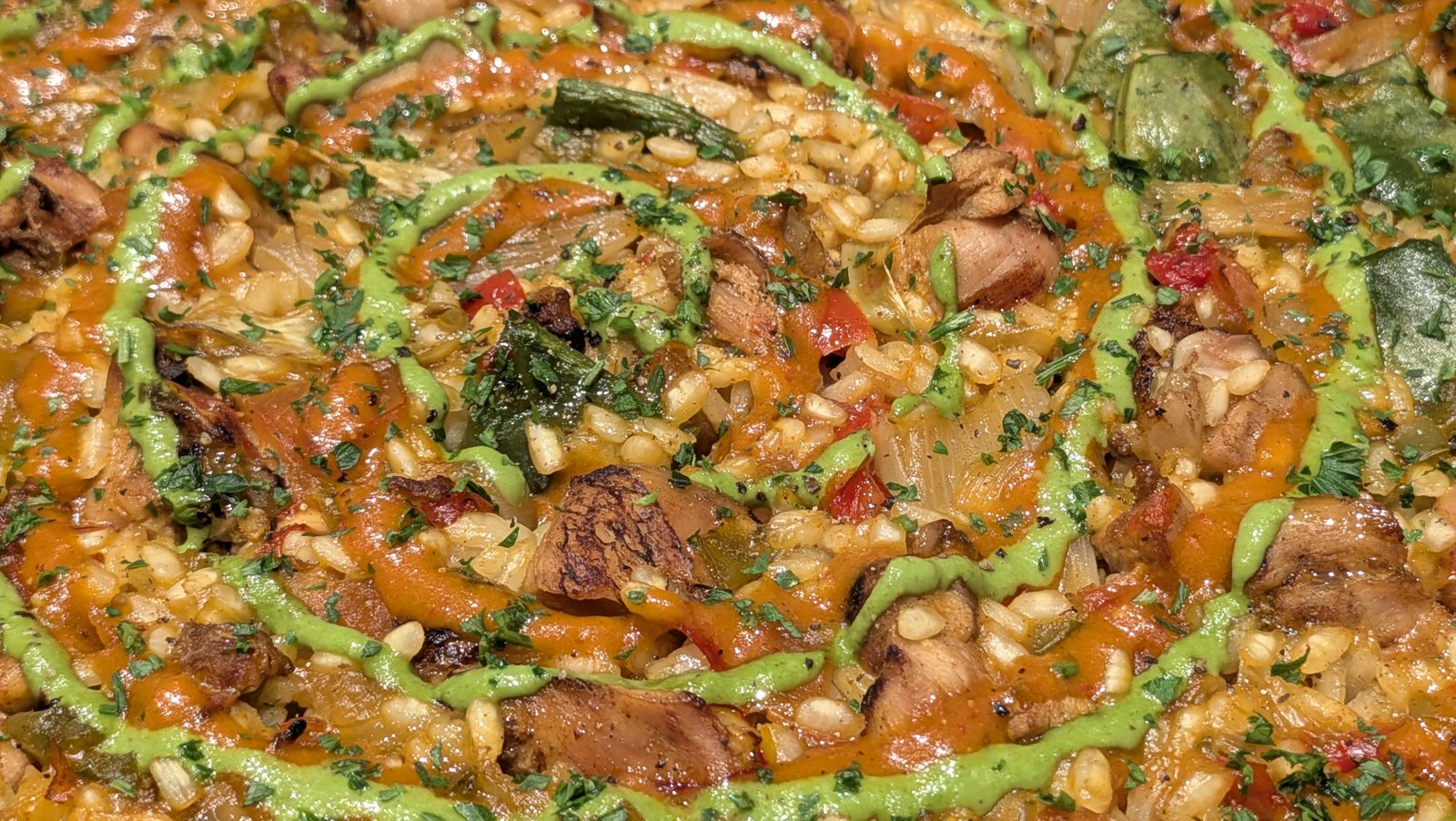
Some of it stays in the kitchen: the blend, the stock, the last step. You would want it that way. So would I.
Thirty minutes
That is the goal, and most nights we meet it. Not every night. But L Campo was never designed around people waiting for a paella. It is a place where you order tapas, share a bottle, and talk, and the paella arrives while you are having a good time, which is the only way a thirty-minute wait feels like no wait at all.
So if you would like to try an almost authentic Valencian paella, almost because you are not in Valencia, come to L Campo. Start with patatas bravas and the grilled Spanish octopus while we make your pan. Have one of Mete's cocktails. Any restaurant can call itself Spanish. Few keep to what Spain actually does. At L Campo we respect the tradition and run it every day, and the result is as close to a Valencian afternoon as Livermore gets.
Salud.